
Harsh Realities of the Fashion Industry
The low prices of fast fashion come at a high cost, just not to the people buying the clothes.
The world’s consumption of fast fashion is often blind to those behind the scenes, but an article from BBC’s Laura Bicker titled, “The truth behind your $12 dress: Inside the Chinese factories fuelling Shein's success,” investigates hard truths about one of the hidden costs of fast fashion – the industry’s labor force.

The article delves into the stark realities of life for factory workers in Guangzhou’s bustling Panyu neighborhood, sometimes referred to as "Shein Village." The Panyu neighborhood boasts around 5,000 factories, which are primarily dedicated to producing a relentless tide of fashion items for Shein, the world’s largest ultra-fast fashion retailer. The t-shirts, dresses, shorts, swimwear, and more, are all destined for wardrobes across more than 150 countries.
Bicker visited Panyu and described Shein Village as a hub of activity where the rhythmic hum of sewing machines fills the air, often late into the night. The article highlights the demanding, high-pressure labor environment many garment workers endure.
In several accounts, factory workers describe grueling, inflexible schedules. One account notes a worker candidly stating, “If there are 31 days in a month, I will work 31 days.” Often a worker is allowed only one day off per month.
Another worker tells Bicker, "We earn so little. The cost of living is now so high." Nonetheless, she hopes to make enough to send back to her two children who live with their grandparents.
The article revealed that workers routinely clock around 75 hours a week, well above the 44 hours legally permitted under Chinese labor laws. This phenomenon is not isolated to Guangzhou, as many rural workers flock to the city hoping for better pay.
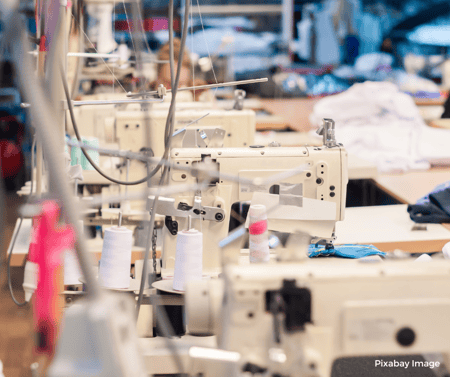 Although China lays claim as the world’s manufacturing powerhouse, Shein, with its $66-billion valuation, does not pass these major profits along to its low-skill workforce.
The brand plans a potential listing on the London Stock Exchange, a move that is stirring up controversy. The company has faced allegations of worker exploitation, and Shein’s Sustainability and Social Impact Report includes a troubling admission regarding child labor in its factories. In response, the brand states its commitment to ensuring fair treatment of all workers within its supply chain and has pledged substantial investments to improve governance and compliance.
Shining a Light on Ultra-Fast Fashion
Sustainable Fashion Communications Specialist, Julia Gerrits recently spoke about misconduct in ultra-fast fashion brands on episode 16 of the Sustainable Solutions with Planet Aid podcast. She explains that the behaviors persist because the companies do whatever they can conceal them. Gerrits further states: “The only way these things are really put into the light is when local authorities or journalists publicly report on it.”
Ultra-fast fashion models like Shein generate staggering revenues that have outstripped established brands like H&M and Zara. Shein's success hinges on its overwhelming inventory and shockingly low prices. Dresses retail for around $12 and sweaters for approximately $8, which appeals to young buyers on the hunt for on-trend fashion.
But behind that affordability are multiple hidden costs of fast fashion—from labor exploitation to environmental degradation.

Environmental Impact: Another Hidden Cost of Fast Fashion
Yet another hidden cost of fast fashion is the toll it takes on the environment. Shein's sustainability report also states that the brand emitted 16.7 million total metric tons of carbon dioxide in 2023. There's also the accompanying textile waste and microplastic pollution.
How Planet Aid Makes a Difference
For almost 30 years, Planet Aid donors and supporters' small acts, like donating clothes and shopping at our thrift store have helped reduce waste. Consequently, their contributions have allowed Planet Aid to collect over 2 billion pounds of reusable textiles, ultimately contributing to a more ethical and sustainable fashion ecosystem.
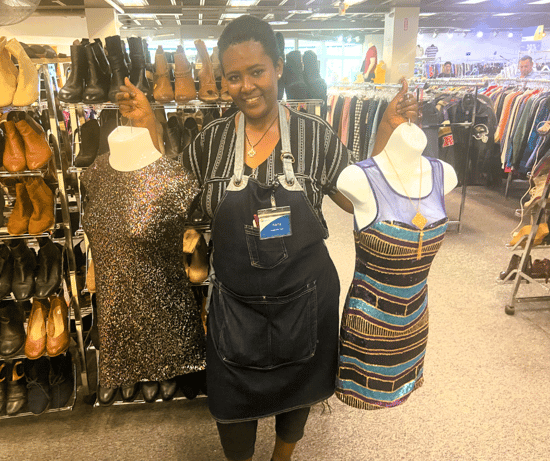
In stark contrast to fast fashion companies, Planet Aid advocates for a more sustainable approach to clothing. By promoting the reuse of clothing. with our Planet Aid bins, donation centers, and the Planet Aid Thrift Store, our organization advocates for responsible stewardship of the planet rather than perpetuating fast fashion's damaging and unsustainable cycle.
Take a stand against the hidden costs of fast fashion. Donate your used clothing at a Planet Aid donation center and help reduce waste, support ethical alternatives, and protect people and the planet.