
The secondhand clothing industry stands at a crossroads as Europe embraces new textile regulations aimed at fostering greener, more sustainable practices. Garson & Shaw—a global wholesale supplier and leader in the secondhand clothing and textile recycling industry—has produced a docuseries, "Understanding the Secondhand Clothing Industry in Europe." The docuseries delves into the intricate world of textile waste management and the evolving policies shaping the future of this dynamic sector.
The five-episode series serves as both an eye-opener and a call to action, exploring the profound implications of these changes for reuse, global trade, and the secondhand clothing value chain.A New Era of Textile Waste Management
According to the European Commission, Europe generates a staggering 12.6 million tons of textile waste each year. In response, the European Union is rolling out innovative policies designed to create more circular industries. Among these measures is the introduction of Extended Producer Responsibility (EPR) for textiles. This regulation shifts the onus of textile waste management from consumers and governments to producers and is already being implemented in countries like France, Latvia, Hungary, and the
Netherlands.
An In-Depth Exploration
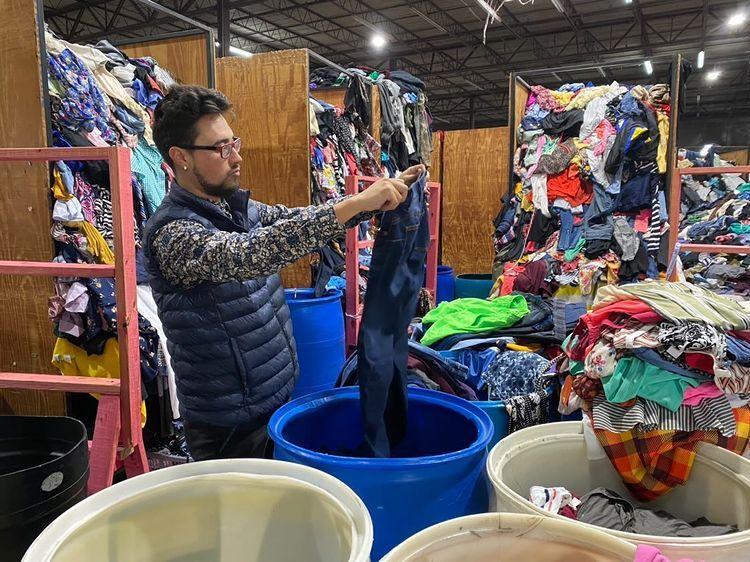
Garson & Shaw's docuseries takes a critical look at how these evolving regulations could reshape the textile industry, with particular emphasis on the secondhand clothing sector. For decades, this industry has played a pivotal role in the collection, management, reuse, and distribution of post-consumer textiles. The series raises important questions:
-
What do these policy changes mean for collectors, sorters, and retailers?
-
How will international trade in secondhand clothing be affected?
-
How can we continue to prioritize reuse and extend the life of garments?
The End-of-Waste Directive: A Turning Point
The series features insights from industry experts, including Rafael Mas, Project & External Relations Coordinator at Humana Spain, who highlights the impact of the End-of-Waste (EoW) directive. This directive will define at what point in the chain textiles cease to be waste, a determination with significant implications for the reuse sector. This distinction between waste and product is crucial for the secondhand clothing industry as it navigates new regulatory landscapes.
Global Implications and the Importance of Dialogue
The ramifications of these policies extend far beyond Europe's borders. The global secondhand clothing trade, particularly in importing countries where used textiles are vital to local economies, faces potential upheaval. Currently, around 80% of used clothing exported from the EU is sold in informal markets in Africa, highlighting the international nature of this industry.
Alan Wheeler, CEO of the Textile Recycling Association (UK), warns that restricting access to reusable clothing could have unintended environmental and economic consequences. Such restrictions might inadvertently increase reliance on ultra-fast fashion rather than reduce waste.
Garson & Shaw's docuseries is not only a resource for understanding the complexities of textile regulation but also a platform for encouraging informed dialogue and action. Watch and share the series to promote greater awareness of the value of the secondhand clothing industry and reuse.