
People want to do the right thing with unwanted items, but figuring out where something actually belongs can be surprisingly confusing. A pizza box may look recyclable, but grease can contaminate paper recycling. Plastic bags can jam recycling machinery. A plastic container accepted in one town may be rejected in another.
Getting it wrong matters. When non-recyclable items end up in recycling bins, they can contaminate entire loads, damage equipment, or still end up taking an expensive trip to a landfill or incinerator anyway. With U.S. landfills rapidly filling up, knowing how to properly reuse, recycle, or dispose of materials is more important than ever.
That’s why the Planet Aid Blog has gathered this practical guide to help readers better understand what goes where — and where to find trusted recycling, donation, and reuse resources.
What Goes Where?
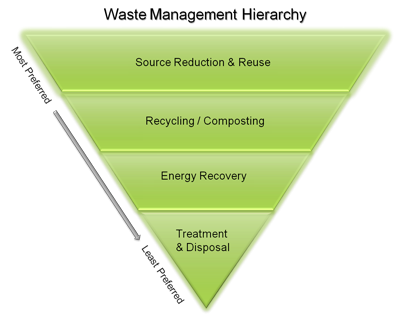 The best way to determine where to reuse, donate, or recycle an item depends on three things:
- What the item is made of
- Whether it is still usable
- Whether it contains hazardous materials
Because recycling rules vary by community, checking local guidelines is important. The Earth911 Recycling Search Tool is a helpful resource for finding recycling options by ZIP code.
Household Items
For common materials like paper, cardboard, metal cans, glass bottles, and certain plastics, curbside recycling is often the easiest option. But not everything with a recycling symbol actually belongs in the bin.
Commonly Accepted Items
Most curbside programs accept:
- Clean cardboard and paper
- Aluminum and steel cans
- Glass bottles and jars
- Plastic containers labeled #1 PET and #2 HDPE
Common Recycling Mistakes
These items often cause contamination problems:
- Plastic bags and film
- Garden hoses
- Extension cords and string lights
- Greasy pizza boxes
- Styrofoam containers
- Disposable coffee cups
These materials can jam machinery or contaminate otherwise recyclable materials. The EPA Recycling Basics Guide provides a useful overview of common recycling rules.
Understanding Plastic Recycling Numbers
Plastic recycling can be especially confusing because the chasing arrows symbol does not automatically mean an item is recyclable in your community.
Plastics Often Accepted
- #1 PET: water and soda bottles
- #2 HDPE: milk jugs and detergent bottles
Plastics Sometimes Accepted
- #5 PP: yogurt cups and margarine tubs
Plastics Rarely Recycled
- #3 PVC
- #4 LDPE plastic film
- #6 Polystyrene (Styrofoam)
- #7 Mixed plastics
These materials are often difficult or costly to recycle and frequently end up in landfills or incinerators. Additional information is available through the EPA Sustainable Materials Management Program.
Textiles
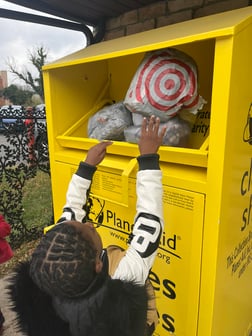 Textiles deserve special attention because clothing, shoes, towels, bedding, and other fabric items are often reusable. The general rule is simple: reuse before recycling whenever possible.
Donating wearable clothing and shoes helps extend the life of textiles and reduces demand for new production.
Planet Aid offers convenient ways to donate textiles through its network of yellow donation bins and donation centers. As a nonprofit, Planet Aid collects usable clothing, shoes, and other textiles for reuse, helping keep them out of landfills while raising money to support community development programs in the U.S. and abroad.
Donate today! Find the nearest donation bin >>
Clothing Swaps and Secondhand Stores
%20(3).png?width=239&height=359&name=The%20Loop%20Posters%20%20(24%20x%2036%20in)%20(3).png) Clothing swaps are becoming increasingly popular on college campuses and in communities. These events allow people to exchange gently used clothing instead of buying new items.
Clothing swaps are becoming increasingly popular on college campuses and in communities. These events allow people to exchange gently used clothing instead of buying new items.
Secondhand stores also help extend the life of usable textiles. Recently, we launched The Loop by Planet Aid, an upscale secondhand store promoting sustainable fashion and textile reuse.
Organizations interested in hosting clothing swaps can find ideas through Fashion Revolution.
Hazardous Household Materials
Hazardous materials should never go into regular trash or recycling bins. Items like paint, motor oil, pesticides, rechargeable batteries, and electronics often require special disposal. Lithium-ion batteries are especially dangerous because they can spark fires in garbage trucks and recycling facilities.
Many communities offer household hazardous waste collection days or permanent drop-off sites. The Earth911 Hazardous Waste Locator can help locate nearby facilities.
Prescription Drugs
Unused prescription drugs should not be flushed or tossed into the trash. Instead, they should be taken to pharmacy drop boxes, approved collection sites, or take-back events.
The DEA Drug Disposal Locator helps users find authorized disposal locations nearby. If no take-back option is available, the FDA Disposal Guidelines explain safe at-home disposal methods.
Wishcycling
In an episode of Sustainable Solutions with Planet Aid, Charles Kamenides of the National Recycling Coalition discussed the growing problem of “wishcycling” — putting questionable items into recycling bins hoping they can be recycled.
Common wishcycling items include:
- Plastic utensils
- Coffee pods
- Tangled cords
- Broken toys
- Clothing in curbside recycling bins
Even with good intentions, wishcycling can contaminate recycling streams and force recyclable materials to be discarded. Learn more through the National Recycling Coalition.
Miscellaneous Recyclable Items
Some items require specialized recycling programs, including:
- Electronics
- Small appliances
- Light bulbs
- Scrap metal
- Ink cartridges
- Cell phones
Many retailers and organizations offer take-back programs. For example:
If you are unsure where an item belongs, contact your local recycling authority or public works department.
When in Doubt, Research First
Recycling works best when people understand local rules and make informed decisions. A few extra minutes of research can help reduce contamination, protect workers, conserve resources, and keep reusable materials out of landfills and incinerators.
By donating reusable items, recycling properly, and avoiding wishcycling, individuals can help build cleaner and more sustainable communities.