
After three months of intense, hands-on training at Richmond Vale Academy (RVA), People 2 People Volunteers have officially kicked off their journey in Malawi.
This isn’t just a new destination — it’s the moment everything becomes real. From the second they arrived, Malawi showed up in full force: the people, the rhythms of daily life, the unexpected challenges, and the strong sense of community. Volunteers have joined ongoing development projects coordinated by DAPP (Development Aid from People to People) Malawi, stepping into work that’s already making an impact.
The transition has been exciting, eye-opening, and grounding all at once. These first days capture that rush — the mix of nerves, purpose, and possibility that comes with starting something truly life-changing. This is how their Malawi journey begins — and these are their first impressions.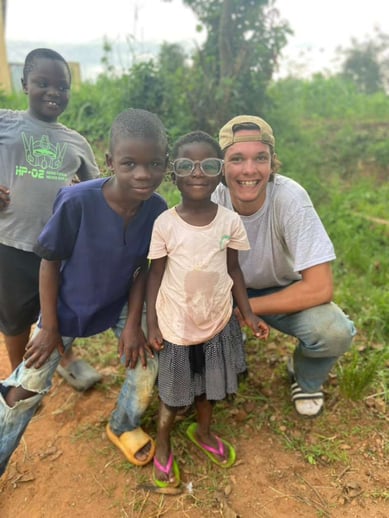
Through Tristan's Eyes
For Tristan, now placed at Dowa Teacher Training College, the journey itself marked the beginning of a profound shift. After days of travel through Barbados, London, and Ethiopia, arriving in Blantyre felt surreal. One of the first things he noticed wasn’t visual a tall—it was the air.
“Maize is grown everywhere here,” he reflects, “and you almost taste it on a particularly humid day.”
Those early days at DAPP’s National Headquarters (NHQ) in Blantyre provided orientation and context—an essential pause that helped volunteers mentally prepare before heading to their respective project sites. Though Malawi is vastly different from St. Vincent, Tristan found that this structured introduction helped replace anxiety with confidence.
Driving through the countryside soon became a highlight. The greens and oranges of the landscape, the damp air, and the steady pace of rural life offered what Tristan describes as his “first real experience of Malawi’s true self.” For future volunteers, his advice is simple: travel by bike whenever possible. It brings you closer to the communities where much of the work happens—and where daily life unfolds far from industrial centers.
Henrique's First Impressions
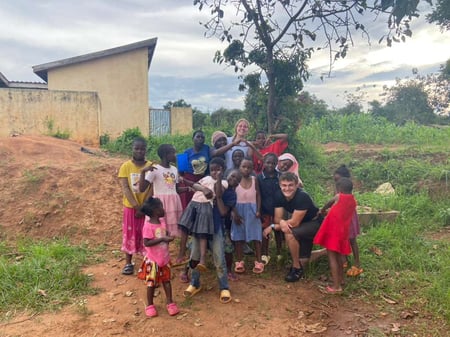 Many volunteers spoke openly about standing out as foreigners. Being called muzungu—a common term for white foreigners—was initially difficult for Tristan, who felt acutely aware of his visibility. But over time, something shifted.
By staying in one place, attending church, and choosing to integrate early, the team began to feel less like visitors and more like temporary residents. The difference, he realized, was only surface-level.
That sense of belonging became especially clear during a visit to the nearby refugee camp and surrounding communities. Just one week after arriving, Henrique celebrated his birthday—and found himself the guest of honor at an impromptu party organized entirely by local children. In keeping with local tradition, he was thoroughly soaked with water by day’s end.
“It was an immense privilege,” he says, “and I felt incredibly welcomed.”
Working with Communities
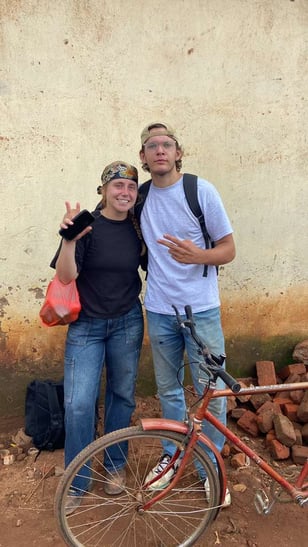 Carlos Henrique’s first impressions centered on his work with agricultural clubs supported by DAPP. Arriving during the rainy season, he was struck by how green and alive the landscape felt. He also saw firsthand the strength of community organization—51 active farming clubs, each with 25–30 members, working collectively to improve food security and livelihoods.
Despite logistical challenges, Carlos was deeply encouraged by the warm receptions he received. In several communities, volunteers were welcomed with songs and celebrations before any work even began.
During early visits, Carlos identified challenges farmers are facing, including pests affecting maize crops. Drawing on sustainable agricultural practices, he began experimenting with organic solutions, such as papaya-based pesticides, while planning workshops on moringa cultivation and lasagna-bed gardening techniques.
Each volunteer has now been assigned specific clubs and communities to support—allowing them to build trust, apply skills learned at RVA, and work collaboratively on locally driven solutions.
“I’m looking forward to solving the logistical issues,” Carlos shares, “and starting to work every day with the clubs and the community.”
Jodi's Malawi Journey Begins
For Jodi McMaho, the journey into Malawi was made smoother by strong support systems—RVA’s preparation, DAPP’s coordination, and traveling as a group. Arriving together helped transform long travel days into shared memories and eased the transition into an unfamiliar place.
From visa processing to airport pickup, every detail reflected the experience and care of DAPP and Humana People to People partners on the ground. NHQ offered a calm, grounding introduction, while the drive north to Dowa revealed markets, cattle herded by children, and people carrying heavy loads with remarkable strength.
At their project site, the team was met with kindness and thoughtfulness—from prepared meals to clean, welcoming living spaces. Their first week was filled with orientation: meeting staff and students, exploring nearby communities and the refugee camp, navigating local markets, and adjusting to daily life—including riding one-gear bicycles through town.
“Humbling,” Jodi calls it—challenging, but motivating.
Visiting preschools for the first time brought the realities of their work into focus. While some school communities were initially reserved, surrounding neighborhoods welcomed the volunteers with warmth and curiosity. The team remains hopeful that unfamiliarity will give way to trust, opening space for meaningful cultural exchange.
Looking Ahead with Purpose and Possibility
Across all three reflections, the same themes rise again and again: patience, humility, teamwork, and deep gratitude. Power outages, water shortages, and limited resources aren’t occasional challenges—they’re part of everyday life. But so are resilience, community, and the kind of shared problem-solving that changes people forever.
Volunteers consistently point to their RVA training and the strength of their team as what carries them through these moments. “Everything always works itself out—eventually,” Tristan shares. “Patience is key.”
Now, as these People 2 People Volunteers begin their next six months with DAPP Malawi, they’re stepping into something rare. This isn’t just another experience—it’s a once-in-a-lifetime journey that shapes how you see the world and your place in it.
Opportunities like this don’t come around often. When they do, they leave a mark.
Ready to Take the First Step?
If these stories resonated with you, don’t wait. The next People 2 People Volunteer group begins training at Richmond Vale Academy this April, and applications close February 28.
Getting started is easy. Just schedule a short, informal conversation with one of our volunteer counselors to learn what the program is really like and see if it’s the right fit for you.
Spots are limited — if this feels like something you’ve been waiting for, now’s the time to raise your hand.